Would your baby benefit from physio?
- Melissa

- Jun 4
- 4 min read
Early movement matters more than most people realize
Babies move a lot. They are constantly exploring their environment through movements of their body. Performing thousands of repetitions. Over and over and over. This is how they learn.
The first year of life is a period of incredible neurological growth. Early movements create movement patterns that become the foundation for future milestones such as rolling, crawling, walking and advanced gross motor skills.
But what happens when movements are not “typical”? What if they look to one side more than the other? What if they only roll one way? What if they don’t crawl?
Will they “outgrow it” or are they just “developing at their own pace”?
Babies are so motivated to move that they will use whatever movement patterns that are easiest to access. Sometimes this leads to compensatory movement patterns. When those strategies are repeated they become deeply ingrained and can impact future motor skills. Fortunately babies are incredibly adaptable. Early physiotherapy can help support more balanced movement patterns before compensations become habitual.
At NeuroAlchemy Wellness physiotherapy is approached through a whole-body lens - supporting alignment, movement quality, nervous system regulation, and functional development in a gentle, baby-led way with the goal of balanced development.
Common Signs Your Baby May Benefit From Physiotherapy
Many babies who benefit from early physiotherapy are healthy, happy and meeting milestones.
They may show subtle signs of compensations that would benefit from being addressed.
Here are some common reasons parents seek support:
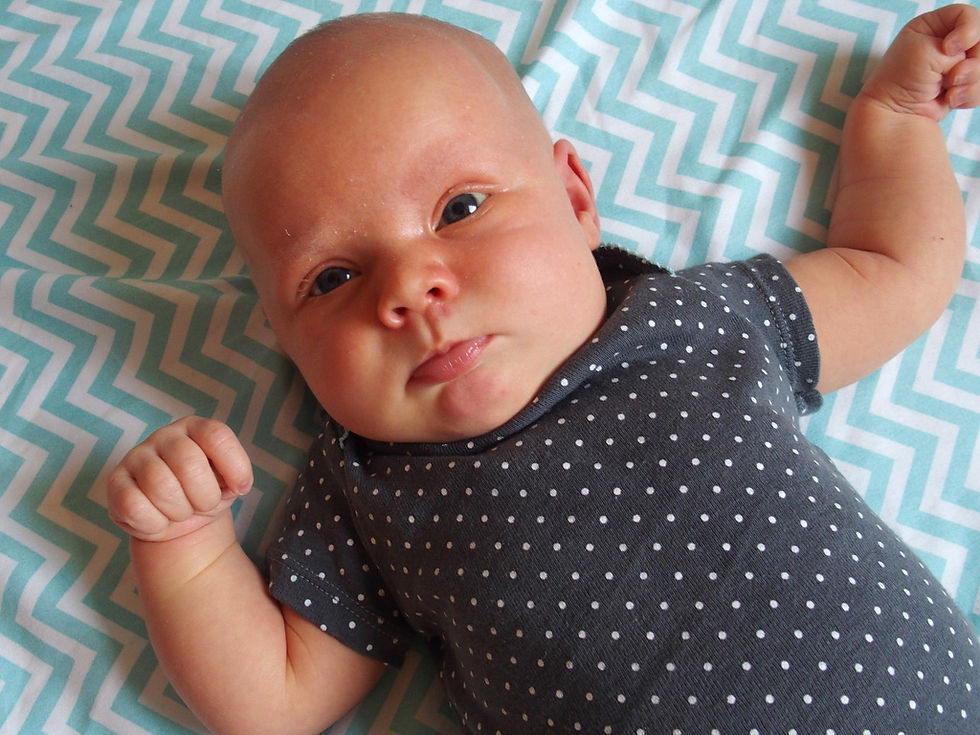
A Preference to Look to One Side
If your baby consistently turns their head more easily to one side, it may indicate tightness, asymmetry, or a movement preference. Over time, this can contribute to head flattening, feeding difficulties, or asymmetrical motor development.
Flat Spot on the Head (Plagiocephaly)
Flat spots on the head are more common now than they were in the past because babies are spending more time on their backs. Prolonged pressure in one area of the scull combined with limited movement variation can lead to flattening. Physiotherapy can help address the underlying movement
restrictions contributing to the asymmetry.

Difficulty With Tummy Time
Many babies initially dislike tummy time. Persistent crying, arching, or inability to lift the head may suggest underlying tension, weakness, reflux discomfort, or asymmetrical movement patterns.
Tummy time should gradually become more comfortable and interactive over time. Ideally babies will spend as much time playing on their tummies as they do on their backs.
Stiffness or Floppiness
Some babies feel unusually stiff when dressing, carrying, or
moving them. Others may feel very floppy, have difficulty with
head control, or seem to “melt” when picked up.
These can sometimes reflect differences in muscle tone,
postural control, or nervous system organization.

Limited Movement or Reduced Variety of Movement
Babies are naturally designed to move frequently. They kick, wiggle, rotate, arch, curl, and explore movement throughout the day.
If a baby consistently moves less than expected, strongly favours one side, or seems “stuck” in certain positions, it may be worth exploring further.
Feeding, Reflux, or Digestive Discomfort
Babies with reflux, gas, feeding challenges, or frequent fussiness sometimes also have underlying body tension,
positional preferences, or difficulty coordinating movement..
Physiotherapy can help improve alignment, mobility, comfort
and movement organization - which can help support overall
comfort and function.

Premature Birth or C-Section Delivery
Babies born prematurely or through cesarean delivery may benefit from additional support as they adapt to movement outside the womb.
These births can influence positioning, muscle activation, regulation, sensory experiences, and early movement patterns.
Early Intervention Matters
Early physiotherapy is about supporting the nervous system and body during one of the most adaptable periods of development and optimizing motor development.
The earlier movement challenges are identified, the easier it often is to guide more efficient and balanced patterns.

Early support may help:
Improve body symmetry and alignment
Support motor milestone development
Reduce compensatory movement patterns
Improve comfort during tummy time and play
Support head shape development
Support parent confidence and understanding
Promote more efficient muscle activation and coordination
Addressing patterns of movement early can help create a strong foundation for future movement and development.
A Simple At-Home Movement Screen
Parents often notice subtle differences before anyone else does.
Here are a few gentle observations you can make at home:

1. Does Your Baby Bend Equally to Both Sides?
Hold your baby against your chest facing outward.
Gently move their hips and legs side-to-side.
Do they bend equally both ways? Or does one direction feel tighter or easier?
2. Can Each Knee Move Toward the Opposite Elbow Equally?
Observe whether one side feels more restricted than the other.
Asymmetries through the trunk can influence rolling, crawling, sitting, and overall movement coordination later on.

3. Do the Arms or Legs Feel Stiff?
Do diaper changes feel difficult because the legs resist bending? Does one arm stay straighter than the other?
4. Does Your Baby Feel “Floppy”?
Do they have difficulty holding their head up? Does their head bob significantly when supported upright?
5. Do They Strongly Prefer One Side?
Do they:
Roll only one direction?
Reach more with one hand?
Always tilt their head the same way?
Sleep facing the same direction?
Persistent preferences can sometimes indicate asymmetries worth assessing.
Trust Your Instincts
Parents are often the first to notice when something feels “off” before it becomes obvious to others.
You do not need to wait for a major delay to seek support.
Sometimes an early assessment can provide reassurance and guidance to help prevent future challenges from becoming more ingrained.
If you notice asymmetry, stiffness, movement preferences, feeding challenges, discomfort during tummy time, or simply have questions about your baby’s development, physiotherapy may provide valuable insight and support.
The goal is supporting each child in building the strongest possible foundation for lifelong movement, regulation, and development.
Looking for Support?
NeuroAlchemy Wellness offers paediatric physiotherapy support for babies, children and families.

Book a free 15 min discovery call to learn more about our services:
Phone: 647-444-9219
Comments